Virgin Galactic books University of Florida plant researchers for 2027 Apeiron flight
Two University of Florida space biologists will fly their own NASA-funded plant experiment aboard Virgin Galactic's Apeiron, with the mission expected in 2027.
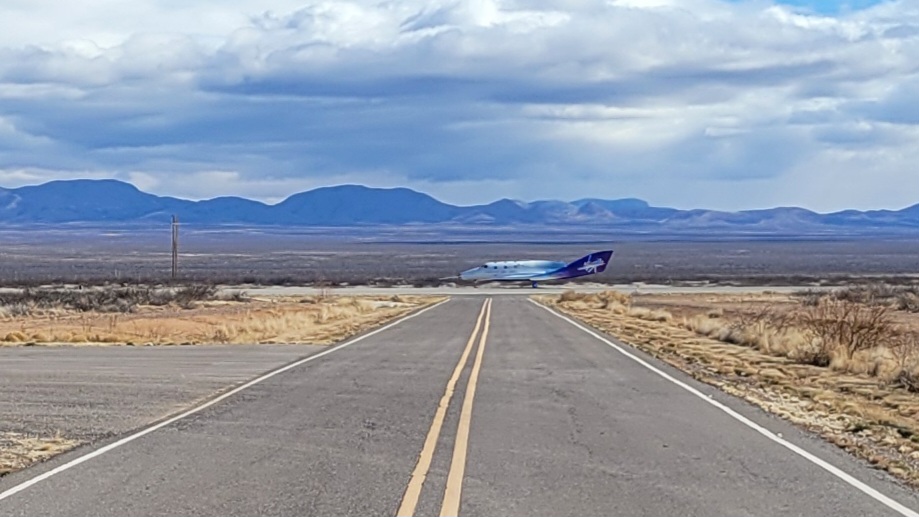
Virgin Galactic has signed up its next research customer: a pair of University of Florida space biologists who plan to fly with their own plant experiment aboard the company’s new Spaceship, Apeiron. The company says the mission is expected in 2027.
The researchers are Dr. Anna-Lisa Paul and her longtime collaborator Dr. Rob Ferl. The mission is funded by NASA’s Biological and Physical Sciences program, in collaboration with the agency’s Flight Opportunities program, which buys rides on commercial suborbital vehicles.
What they plan to fly
The experiment studies how plants respond to the shift from Earth gravity to microgravity. It builds on decades of the pair’s earlier work and will examine specific genes identified during Ferl’s 2024 suborbital flight. It will also test how multiple researchers can run more ambitious experiments together in flight, according to Virgin Galactic.
The selling point of a crewed suborbital vehicle, as opposed to an automated payload, is having the scientists in the cabin. Paul said, “Having the scientists who designed the experiment there to conduct it means we can observe what is happening,” adding that this allows real-time responses and decisions that a fully automated experiment could not support.
Where Apeiron stands
Apeiron is Virgin Galactic’s lead Spaceship and arrived at Spaceport America in New Mexico in October. The company says the UF team has already begun planning procedures with its mission planners. The previous vehicle, VSS Unity, completed seven suborbital research missions before it was retired.
The announcement is modest in scale, but it matters for a company that has been out of the air while it builds its next-generation fleet. A funded, named research flight with a target year gives Virgin Galactic a concrete customer to point to, and it shows NASA’s Flight Opportunities program still treats suborbital rides as a research tool. Virgin Galactic’s release gives no more specific date than 2027, so the schedule depends on Apeiron’s own flight-test program.
// Signal sources
Machine-written by AI from the sources above